
Why Are We Like This? · 12 Ways to Be Yourself

Prologue
The Manual That
Doesn’t Exist
Is there someone in your life you love, value, or at least see on every team call, yet sometimes completely fail to understand? They seem to mean well. So do you. And then the two of you spend forty minutes working out why nobody could just say it normally in the first place. I’ll start with the bad news: everyone’s “normal” is different. The good news is that a translation does exist. Not everyone knows it, that’s all.
Picture a group chat. Someone writes, “Let’s just relax this weekend.” Lovely idea. Everyone agrees. Twenty minutes later, one person is proposing an early start and a two-hour drive to a lake: beautiful scenery, fresh air, a nice walk. Another immediately asks where you’ll eat, what you’ll eat, and who’s doing the shopping. A third sends a weather forecast down to the cloud cover and declares the whole plan iffy. A fourth reads the chat in bed and gets anxious at the mere word “early.” Half an hour has passed. Nobody has gone anywhere. And a fight is already brewing.
Nobody meant to argue. It’s just that, to one person, rest means a change of scene; to another, sleep; to a third, a get-together with no surprises. The lake enthusiast feels hurt that everyone has picked his idea apart. The weather expert is offended at being called a bore again. The most exhausted member of the group has muted the notifications and pulled the covers up. He’s already relaxing—and, frankly, doing it better than anyone.
Character shows most clearly not in grand dramas but when eight adults try to agree on something trivial. That’s when the masks come off—along with everyone’s patience and, occasionally, one member of the group chat.
The stars can sketch the big picture, but the fine print is always written by people themselves: how they take offense, ask for help, get jealous, disappear, make up, and pretend they couldn’t care less. That last one is especially interesting. Have you noticed that people who don’t care tend to say so far too often?
From the outside, another person can seem complicated, illogical, or deliberately difficult. And sometimes, let’s be honest, that’s exactly what they’re doing. Adults, too, dig in their heels, get even, demand attention, and hope everyone will decode their icy silence. But irritating behavior often has its own internal logic. That doesn’t make it good behavior. It shows which button someone presses on autopilot—and what it usually gets them.
Someone close to you asks what time you’ll be home. That could mean three very different things: they want to have dinner ready on time, they’re worried something has happened to you, or they want to keep tabs on your every move. Same question, different reasons.
People usually react to whichever reason their imagination suggests first. And imagination, unfortunately, rarely picks the kindest option on the list.
Caring causes even more confusion. One person needs to be heard. Another thinks love means launching a rescue operation on the spot. The first one says, “I’m struggling,” and the second has already found three job listings, a doctor, and a breathing course— and is a little annoyed that the person being rescued isn’t more enthusiastic. Both tried. Both end the conversation feeling lonely. This book is for situations like that.
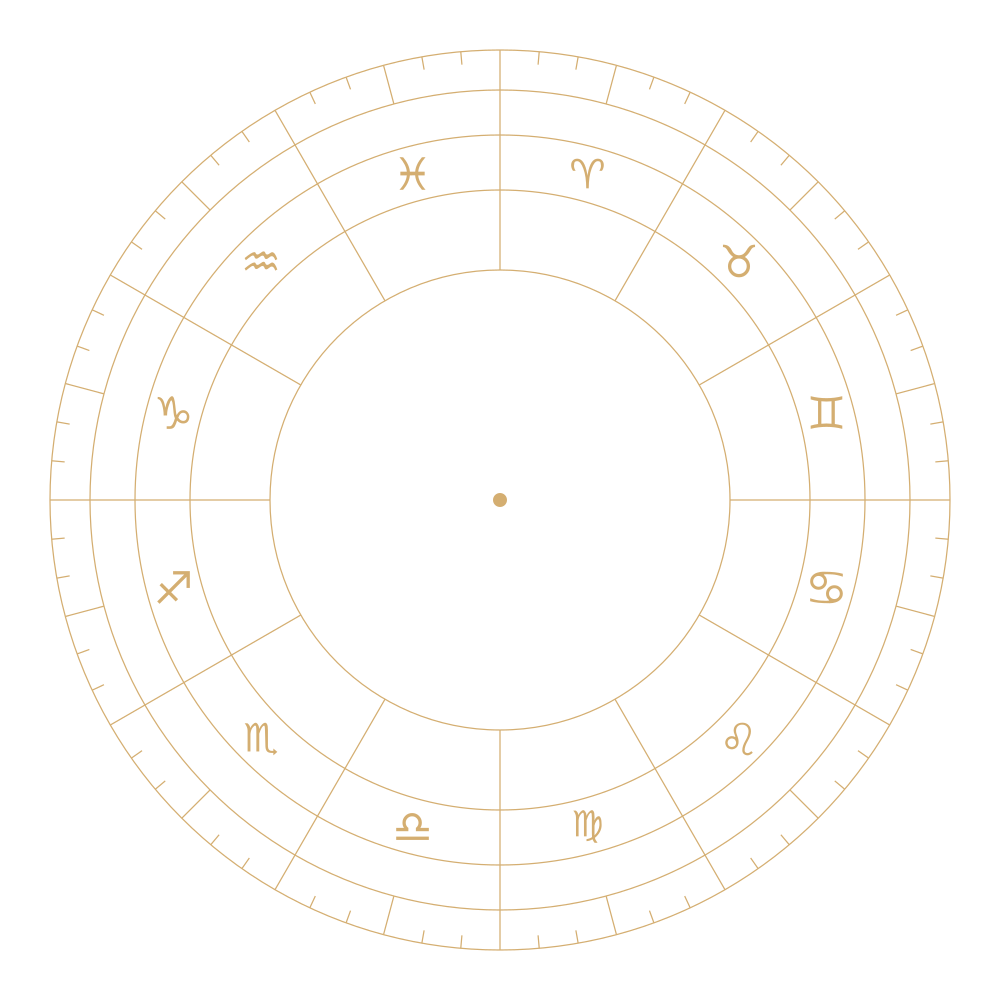
Ahead of you are twelve different chapters—twelve unofficial manuals, one for each sign. Each one looks at how someone shows interest, what they never say out loud, what they hear in an argument, and how they ask for love with all the wrong words. We’ll also find the line where a character trait ends and mistreatment begins—the kind the stars can no longer explain away.
These chapters are written for the signs themselves and for everyone who lives alongside them: the people who are friends with them, work with them, fall in love with them, argue with them, and then stare at a closed door wondering, “What on earth was that?” And each sign gets a one-on-one conversation with me in the letter that ends every chapter.
You can start with yourself. But I’m almost certain you’ll open your partner’s chapter first, or your ex’s, or your boss’s. Zero judgment, maximum understanding: other people’s quirks always cut in line ahead of your own. That was the plan all along.
One thing up front: this book is about adult relationships— family, friendship, work, and love. It isn’t about children’s behavior, and it isn’t a parenting guide.
What If You Don’t Believe in Horoscopes at All?
Excellent. No faith required. In fact, a little skepticism will serve you better here than enthusiastically agreeing with everything.
Astrology isn’t a scientific method for determining a person’s character. A date of birth doesn’t explain why someone fears intimacy, runs late, gets jealous, or stacks food containers by size. People are shaped by their life story, family, culture, experience, and dozens of circumstances you can’t see behind a zodiac sign.
Here, the signs work as twelve recognizable human ways of being yourself. They make a handy lens for looking at habits, contradictions, and communication styles. Sometimes a description will hit the mark, sometimes it will be only half right, and sometimes it will miss so confidently that all you can do is laugh. In all three cases, the last word belongs to the actual person.
So instead of asking, “Are all Scorpios really like that?” ask, “Does this sound like my Scorpio, and what have I been missing?” The second question is far more useful. And, between us, far more interesting.
What the Stars Are Doing Here
I’m talking about sun signs: the ones based on your date of birth. Astrology associates each sign with a basic set of ways of engaging with the world. I use the signs as a convenient shorthand for talking about character and translate them into everyday life: unanswered messages, ruined plans, awkward apologies, work calls, and kitchen conversations after midnight.
Still, astrology alone struggles to describe a specific person. So a match on the page is a reason to look closer and ask questions, not a license to announce that you’ve figured someone out. If they describe themselves differently, listen to them: they know far more about their own life.
You’ll probably recognize yourself in several chapters: your arguing style in one, your habit of double-checking everything in another, the way you want to be loved in a third. That’s normal. People are more complicated than a single description, and a good observation may fit several signs. The point of this book isn’t to lock anyone inside a ready-made portrait. It’s to offer a few answers where before there was only irritation and guesswork.
Understanding Doesn’t Mean Excusing
Every strength has a point where it goes too far. Persistence gets a difficult job finished, then keeps you fixing something for half the evening using a method that has already failed six times. Independence protects you from pressure, then mistakes an ordinary “Text me if you’re running late” for pressure. Imagination dreams up a wonderful gift and sees a future home in an empty apartment. It can also fit an argument, a breakup, and a spectacular reunion into two hours without a reply, while a phone sits peacefully on silent beside someone painting a wall, blissfully unaware that your relationship has just survived four seasons of plot twists.
That tipping point interests me most: the moment a strength quietly turns into a trap for its owner. Not because I want to catch anyone in a contradiction, but because I want to understand how it works. Why does a caring person suddenly become controlling? Why does an independent person hear a simple request for closeness as an attempt to take their freedom away?
“That’s just how I am” doesn’t make shouting any quieter. Sensitivity doesn’t entitle anyone to punish you with silence. Jealousy doesn’t give anyone the right to read your messages. Loving freedom doesn’t make disappearing without explanation an attractive personality trait. You can see the fear behind someone’s behavior and still say, “You don’t get to treat me like this.”
Sometimes a beautiful explanation hides a very simple truth, with no deep mechanism involved. Someone isn’t mysterious; they’re offended and have decided everyone else should guess why. They aren’t defending high standards; they can’t admit someone else’s solution is good too. They aren’t protecting their freedom; they’re avoiding an uncomfortable conversation. A good theory shouldn’t overshadow a simple explanation when the simple one turns out to be right.
How to Read This Book
Don’t come here looking for a ready-made line for every situation in life. People are complex machines, of course, but you can’t just type in the right command and get a predictable result. I will sometimes suggest specific words, where they help show the difference between pressure and an ordinary request. But what matters more is understanding what someone actually hears in a conversation, what’s at stake for them, and which actions truly show what they feel.
And don’t look only at the flaws. Someone may rarely say anything tender out loud, yet be the first to notice you need help. Someone else can make you laugh on your worst day without making light of the problem. The best qualities of the people close to you quickly fade into the background, while the irritating ones somehow stay perfectly visible in any weather. I want to bring the good back into the frame—the things people usually stop noticing.
You can read the chapters in any order. Start with the sign of whoever is hardest to deal with right now. Then the sign of someone you love. Then your own. Come back a month later, when you catch yourself wondering again, “Hang on, what did it say about Capricorns?” And since we’re being honest, you’re also allowed to open this book for a less noble reason: to finally figure out why your ex acted like that. A perfectly legitimate motive.
Don’t use this book as a diagnosis, let alone a verdict. “Your sign explains everything” rarely makes a relationship better. It’s far more useful to say, “There’s something in here that sounds a lot like us—is that really how it is for you?” Maybe the other person will agree. Maybe they’ll correct you. Either way, you’ll know a little more about them than you did before.
About Cassandra’s Letters
At the end of each chapter, I’ll spend a few pages alone with the sign itself. This isn’t a summary or advice for everyone around them. It’s a personal letter about what they protect, what they feel embarrassed to want, the role they cling to, and what it costs them. Expect tenderness, and truths you might prefer not to hear.
If you’re reading another sign’s letter, consider yourself allowed to eavesdrop. Just don’t rush to use what you hear against anyone. People don’t show you their soft spots so you can hit them in the next argument. And if you suddenly recognize yourself in someone else’s letter, don’t be surprised: people are more complicated than twelve tidy categories, and that’s good news.
Sagittarius goes first. They’re usually the loudest when it comes to demanding straight talk—and rather pleased with their own courage. Let’s see how mutual that love of truth really is.
So let’s open the first chapter. Before we do, let’s agree: we’re here to understand people, not to simplify them. We’ll laugh in recognition, never at anyone’s expense. And if the stars offer a beautiful explanation while someone’s actions tell a different story, we’ll believe the actions.